Natural Lands
Conventional agriculture has had significant negative impacts on biodiversity globally, but we’re proving that farming can also be part of the solution. Our Natural Lands program balances cultivation with restoration so that soil, water, prairies, animals and people can thrive together. Through regenerative agriculture practices and conscious conservation efforts, we are producing nutritious food while creating habitat for wildlife and documenting the return of native species to formerly degraded farmland.
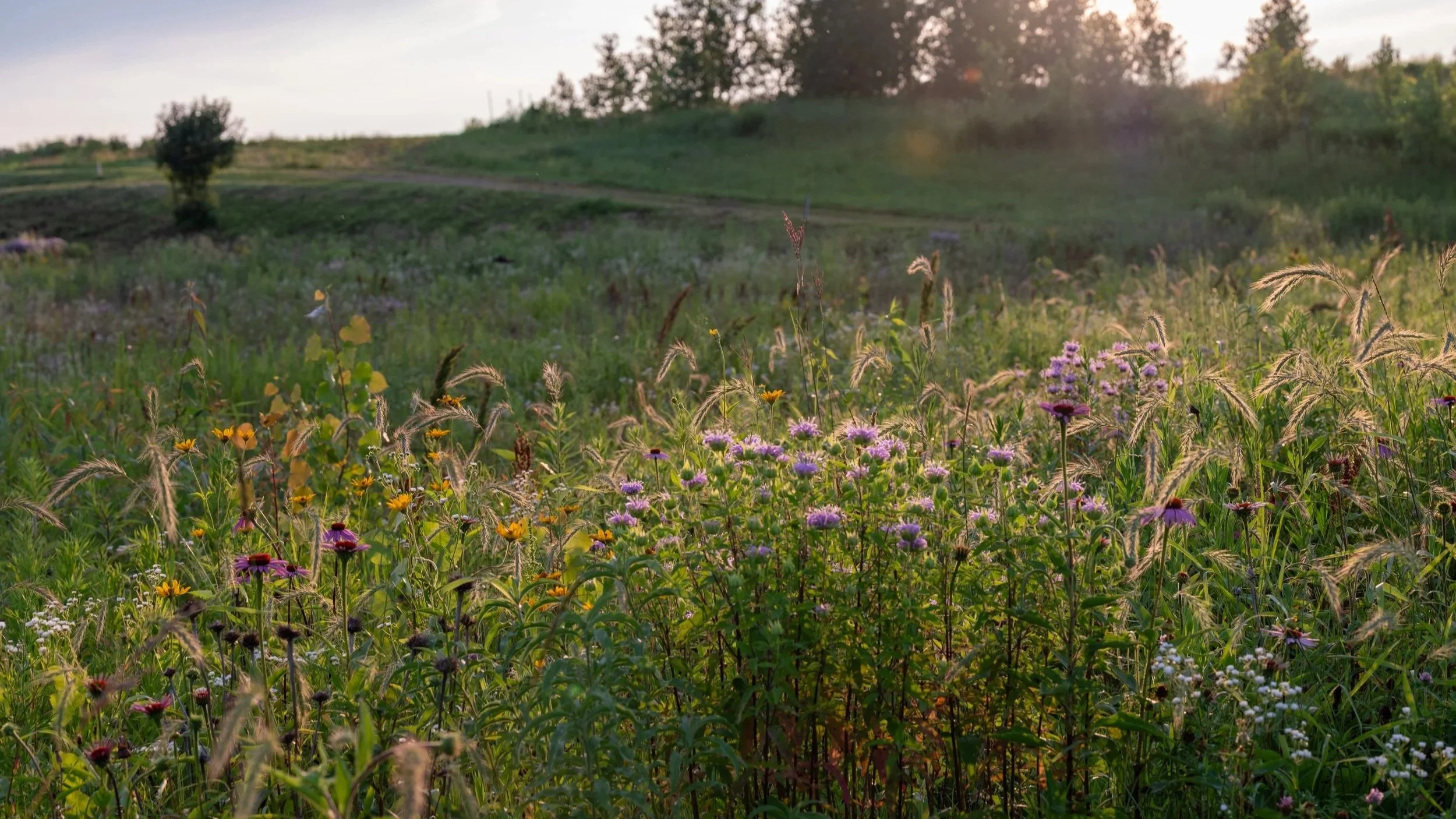
In 2025, our restoration work was in full bloom. We collaborated with the MN Board of Water and Soil Resources in order to prescribe burns across nearly 50 acres of habitat in order to improve soil fertility, increase plant diversity and suppress invasive species. We also installed over 1,000 native potted plants, grown from local seed collected at our farm, St. Olaf Natural Lands, and the Carleton Arboretum. This is super exciting because these hyperlocal species are not commercially available and have allowed us to keep providing more unique native habitat to our beloved wild neighbors.
Wildlife Counts
Our Wildlife Counts initiative is a citizen science wildlife monitoring project that seeks to document the return of wildlife to the Sharing Our Roots Farm, educate on the importance of wildlife on agricultural lands, and offer conservation tools to farmers and landowners who wish to preserve biodiversity on their farms.
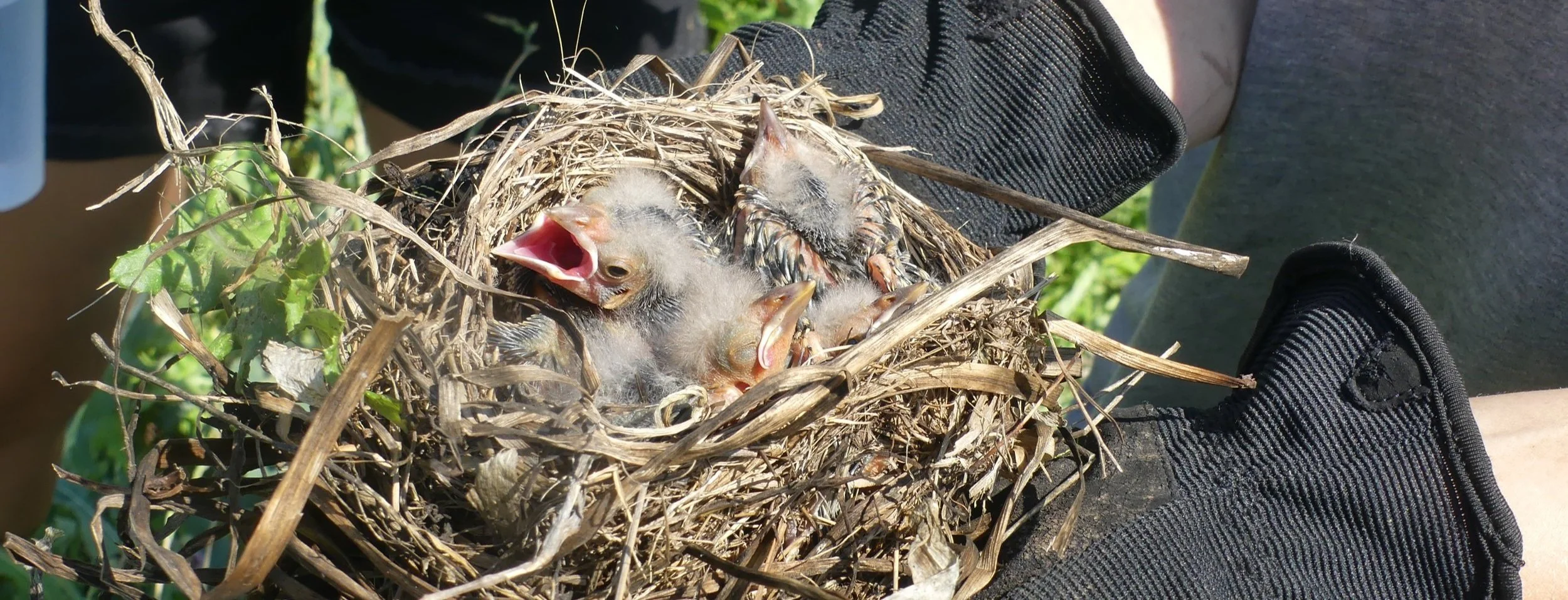
Identifying and documenting the wildlife that shares our land is essential to meaningful conservation— and our efforts have yielded impressive results. With support from the Shavlick Foundation, we secured funding for bat song meters that have already recorded seven species of bats, including the federally endangered Northern Long-Eared Bat! This is one of many discoveries that have deepened our understanding of the ecosystems we steward and reinforced our commitment to restoring native habitats.
Quick Links:
Collected Data:
-
We collect amphibian data from seven bodies of water at the Sharing Our Roots Farm, including wetlands, ponds, and streams. Each year, we monitor the presence of frog species at each of their life stages from April to June, making note of the first sightings of egg masses and tadpoles, metamorphs, and adult frogs.
In the last two seasons, we have identified seven of Minnesota’s 14 frog and toad species on the farm: American bullfrog (Lithobates catesbeianus), American toad (Anaxyrus americanus), Cope’s gray tree frog (Hyla chrysoscelis), Green frog (Rana clamitans), Leopard frog (Lithobates pipians), and the Western chorus frog (Pseudacris triseriata).
-
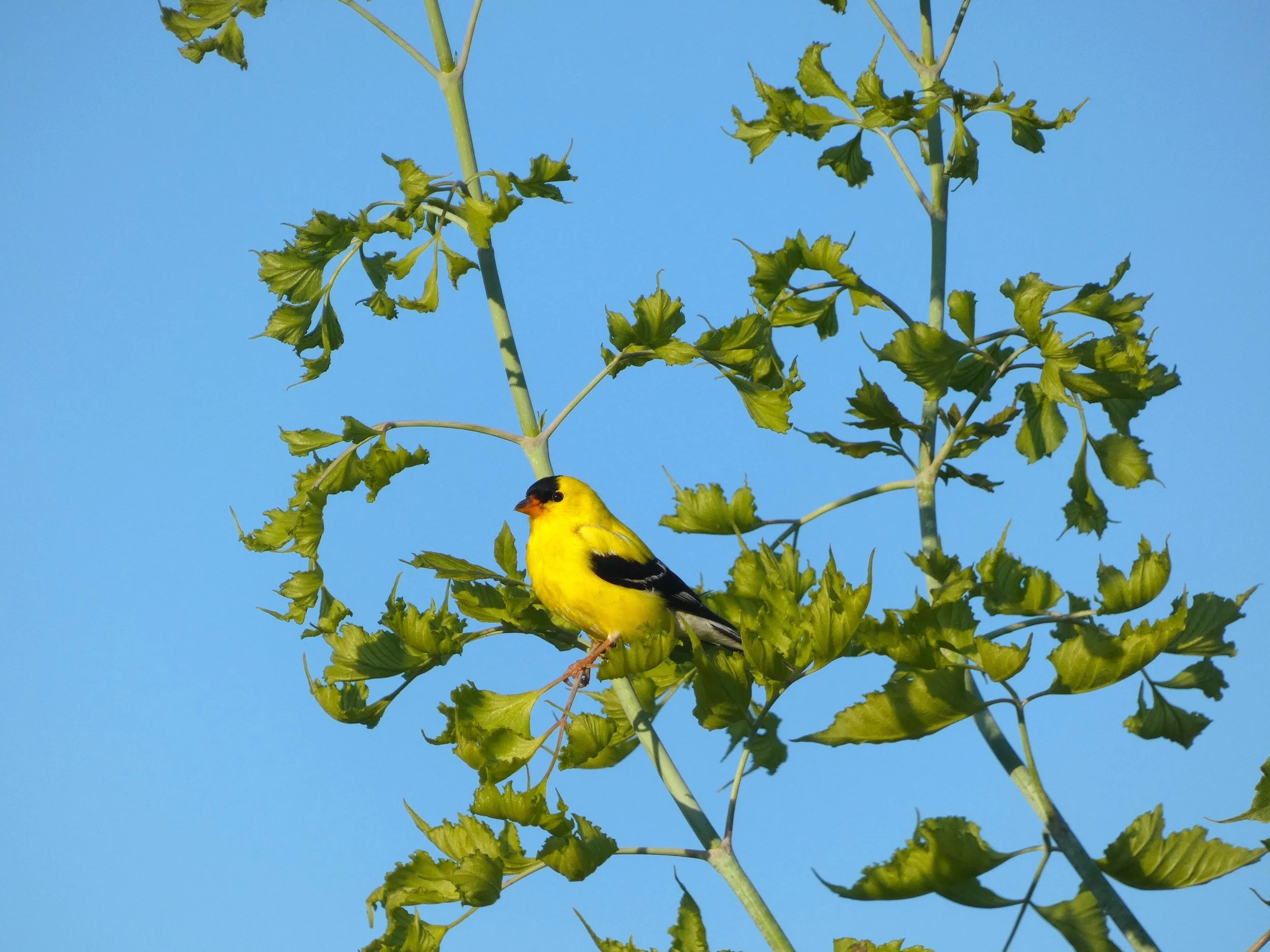
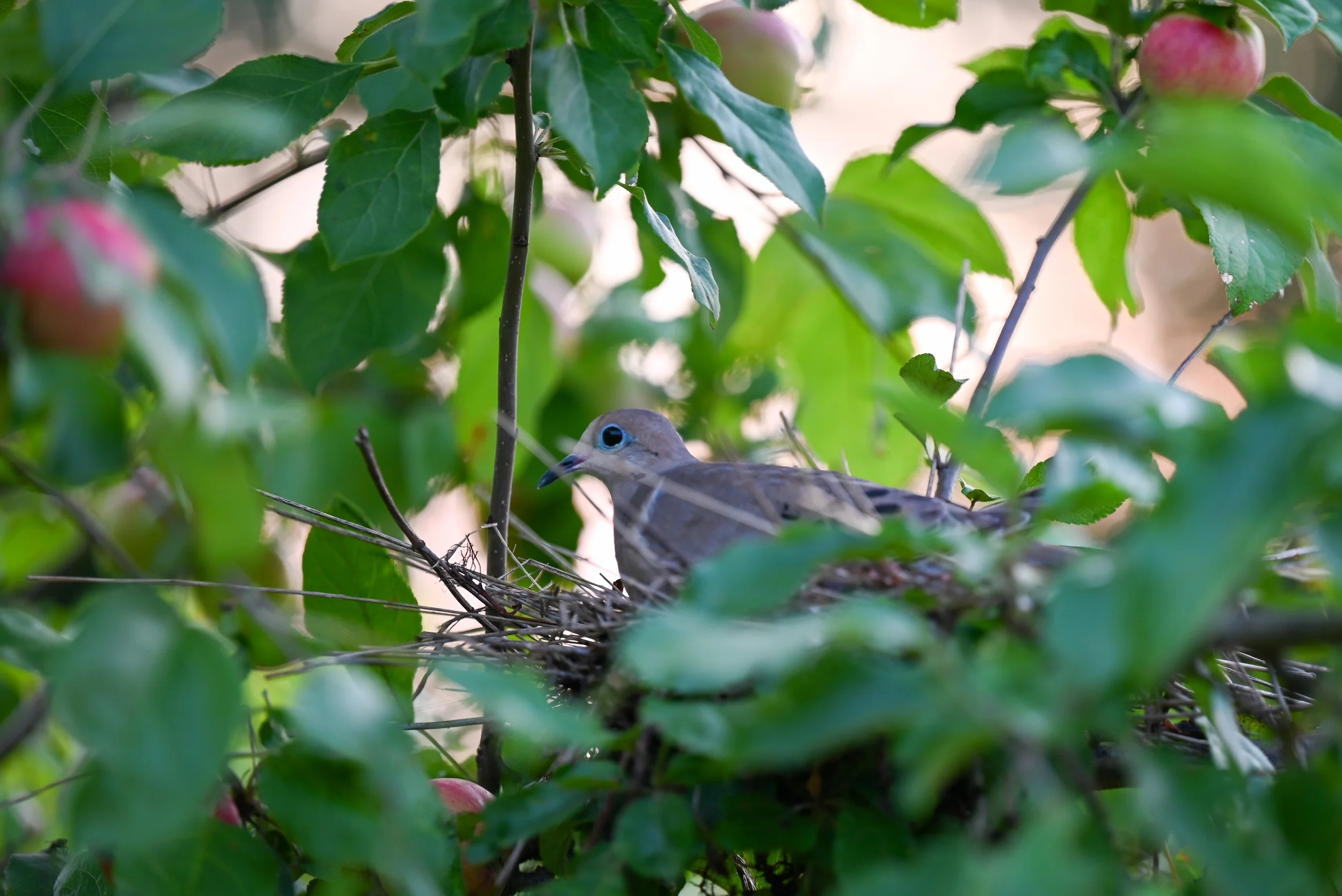
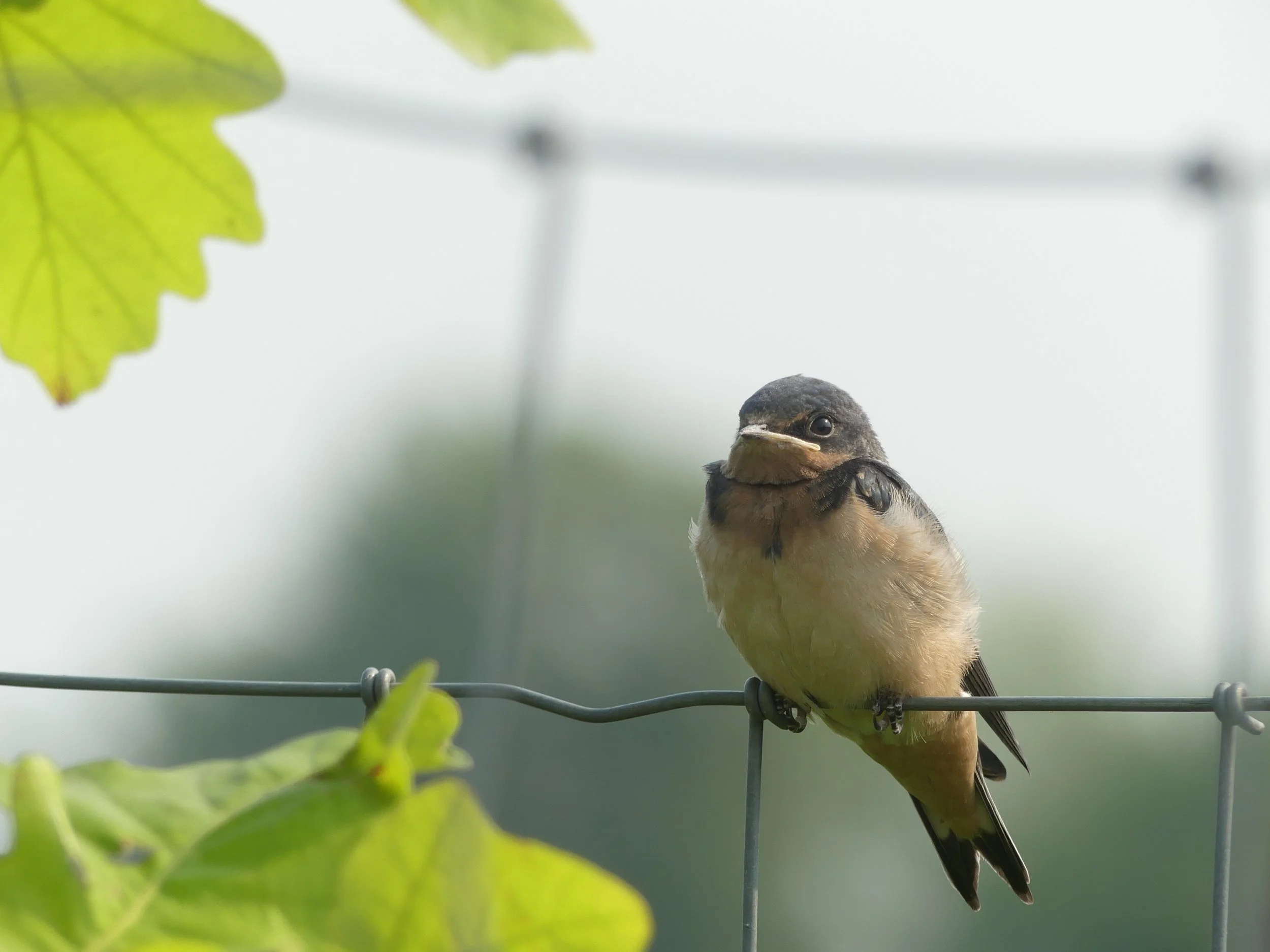
From April to August, we conduct bird "point counts" at six locations across our 163-acre farm. Some points are near water, others in open fields or along a forest edge. A point count consists of standing in one spot and counting any birds seen or heard within 50 feet (16 meters) in all directions (360 degrees). Point counts are a very simple yet effective way to document bird presence.
To date, we have identified 96 bird species, including American yellow warbler (Setophaga petechia), Dickcissel (Spiza americana), Eastern Bluebird (Sialia sialis), Green Heron (Butorides virescens), Hooded Merganser (Lophodytes cucullatus), and Sandhill Crane (Grus canadensis).
-
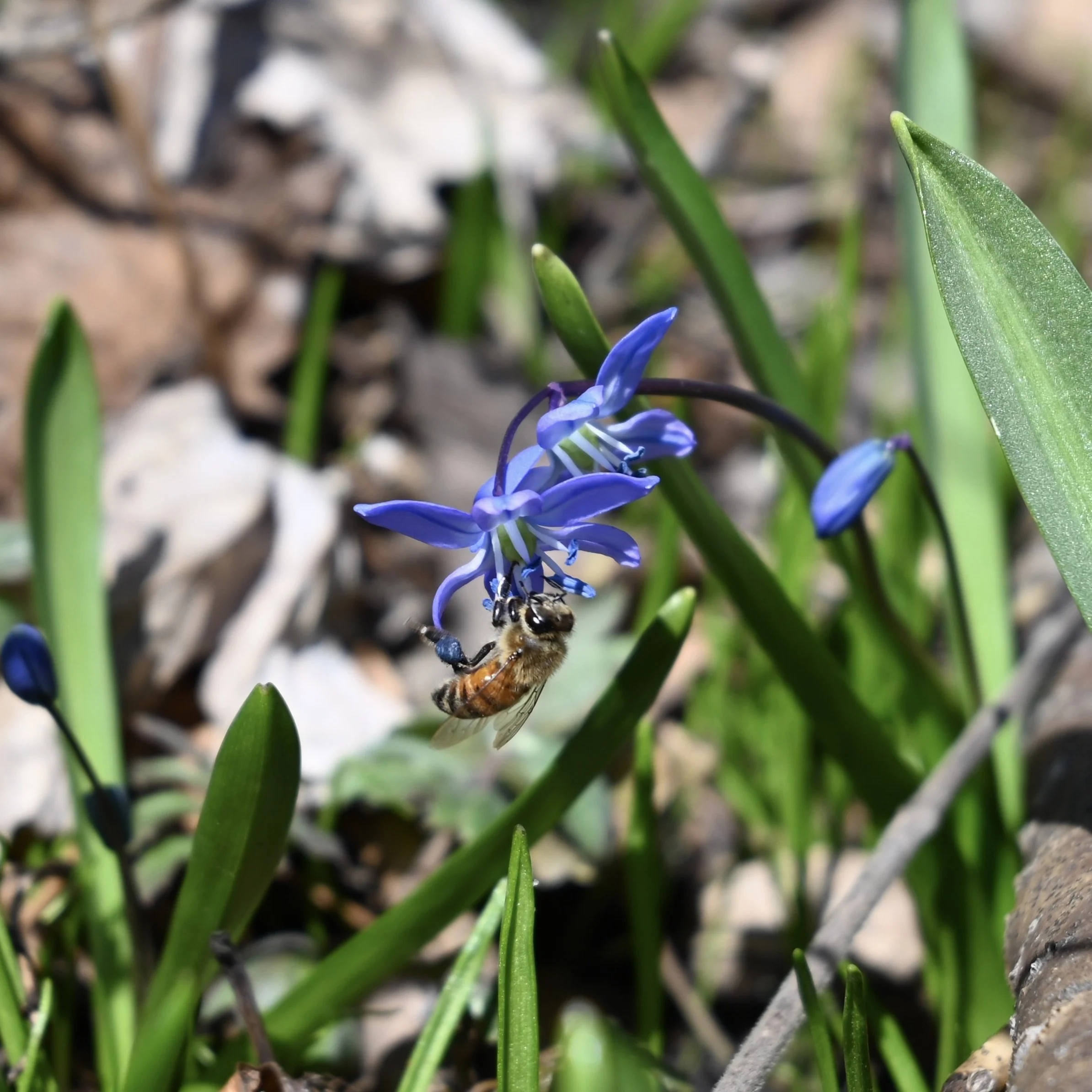
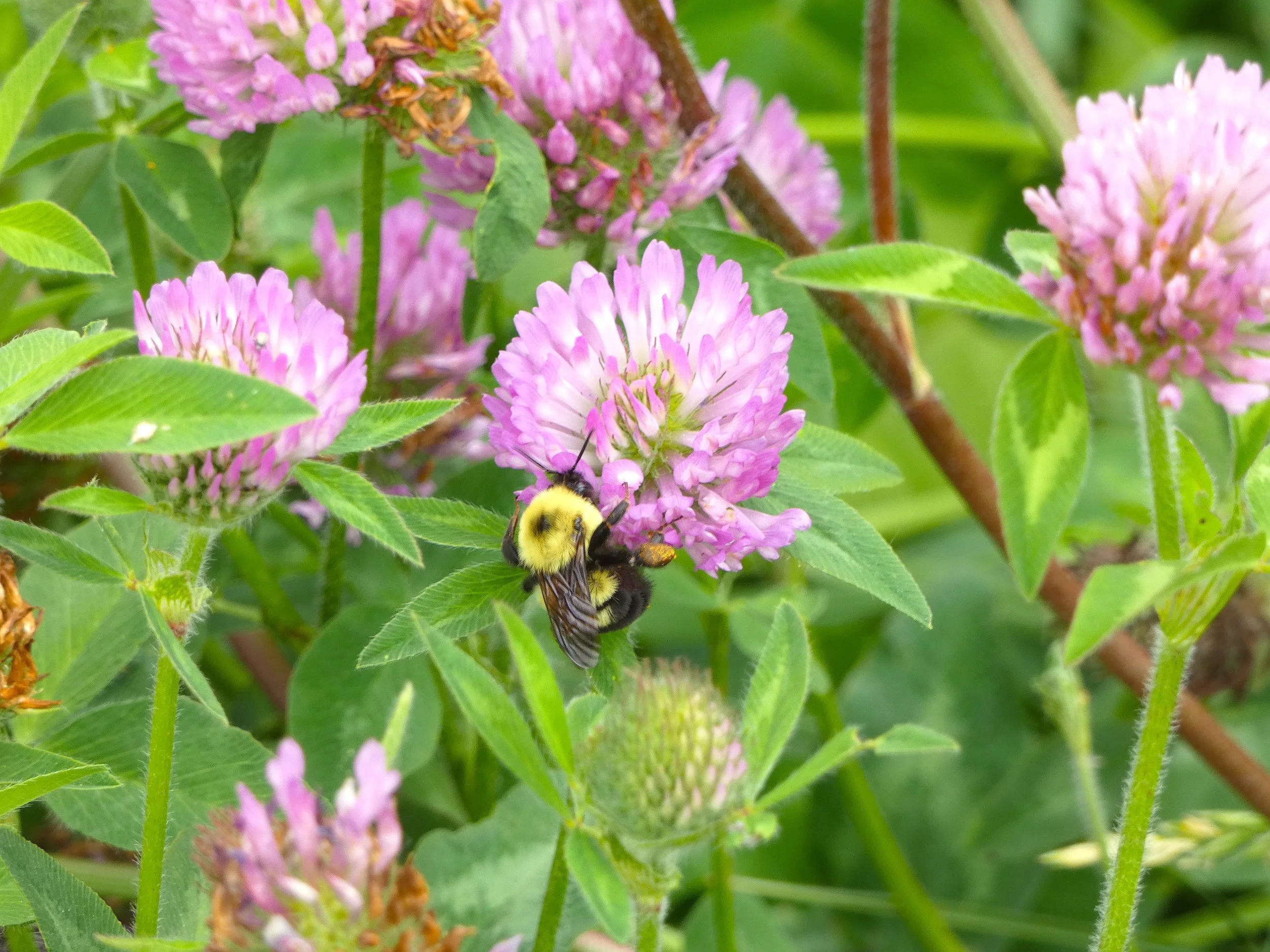
Insects play an important role in agroecosystems as either pests or beneficial bugs (e.g., pollinators). To catalog the diversity of insect life at the Sharing Our Roots Farm, we collect and identify insects from May to August each year. We scout for insects on plants, food crops, soil surfaces (as well as below ground), in wetlands, and throughout other parts of the farm.
So far, we've identified 174 different species of insects, including Ambush bug (Phymata erosa), Banded garden spider (Argiope trifasciata), Black swallowtail (Papilla polyxenes), Nessus sphinx moth (Amphion floridensis), Ruby Meadowhawk (Sympetrum rubicundulum), and wide skimmer (Libellula pulchella).
-
We have documented 11 mammal species on the farm based on random sightings, scat, tracks, burrows, and other signs. Among them: American badger (Taxidea taxus), Coyote (Canis latrans), Striped Skunk (Mephitis mephitis), and the Plains Pocket Gopher (Geomys bursarius), which is considered a Minnesota keystone species.
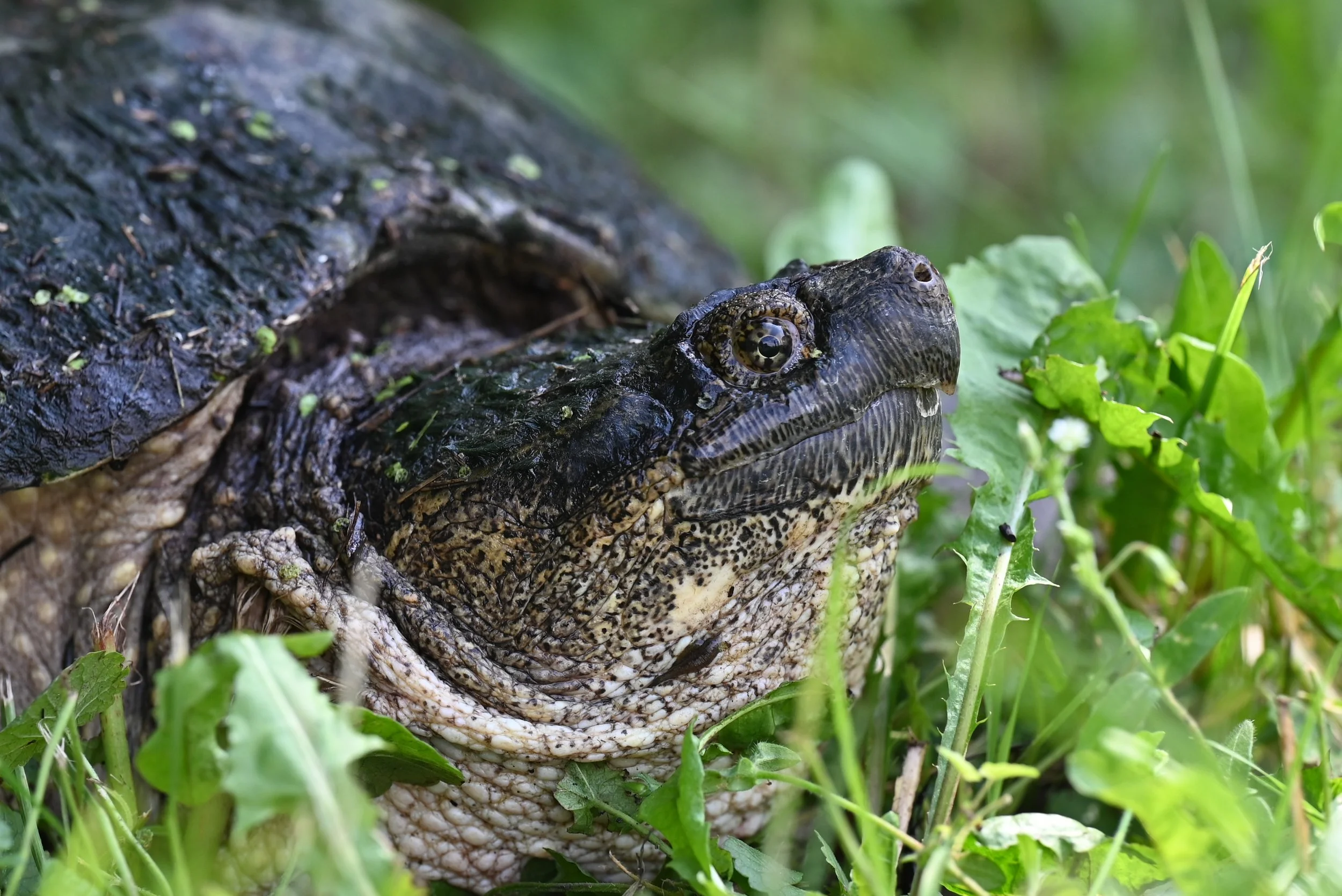
We have also spotted several reptiles nesting, swimming, or just passing through the fields, including Alligator snapping turtle (Macrochelys temminckii), Common garter snake (Thamnophis sirtalis), and Redbelly snake (Storeria occipitomaculata).
-
In the Sharing Our Roots Natural Lands we have to date recorded 246 different plant species in our habitats. This number is only expected to grow as we spend more time documenting who is already living in our remnant prairies and wetlands. It will also grow as we continue to diversify our habitats with over-seeding and new prairie installations. All of our seed has been sourced as locally as possible with the furthest limit being 150 miles from the farm. The list has partially corroborated with DNR state botanists, with whom we are continuing to work with to finalize some important findings!

Want to be a part of Wildlife Counts?
If you are interested in helping us with our wildlife monitoring efforts, please check out our volunteering page. No previous experience needed! We will teach you how to identify species and collect data. Just bring a pair of binoculars and your love for our native wildlife!
The data we collect is shared with Dakota County, Minnesota DNR, the Minnesota Reptile and Amphibian Survey, and the Minnesota Breeding Bird Atlas. Sightings and ongoing monitoring of wildlife also help inform our Management and Conservation Plan for the Sharing Our Roots Farm—something we hope can serve as a useful guide for other farmers and landowners.
Student Academic Work:

Wildlife Biodiversity & Farmer Perceptions in a Regenerative Agroecosystem
Jaime Lara, Cal Poly Humboldt, September 2024
During the 2024 season, Jaime Lara conducted wildlife surveys and farmer interviews at the Sharing Our Roots Farm as the Wildlife Counts intern. They wrote an academic paper detailing their experiences:
“The objectives of this study were to continue collecting WildlifeCounts data by observing and surveying the various taxa listed above, as well as the inclusion of benthic macroinvertebrates on the farm. Data collected was put into the Wildlife Counts database for future reference and assessment of biodiversity changes. Another objective of this study was to gain an understanding of SOR farmers’ perception on the importance of wildlife to their farming operations. Farmers were engaged through formal interviews and asked about their awareness of the ecosystem services wildlife provide and how their farming practices are impacted by wildlife.”
Bird Data Visualization
Alyssa Alvarez and Annie Jay, Carleton College, November 2023
In the fall of 2023, two Carleton students, Alyssa Alvarez and Annie Jay, began analyzing wildlife data collected at the Sharing Our Roots Farm. As a final project in their data science class, the students analyzed the data and created an interactive visualization. In collaboration with Claire Kelling of the Carleton Math & Statistics department, we are proud to present ongoing data of bird monitoring at the Sharing Our Roots Farm.