Empowering Emerging Farm Businesses: Food Safety & Market Access Training
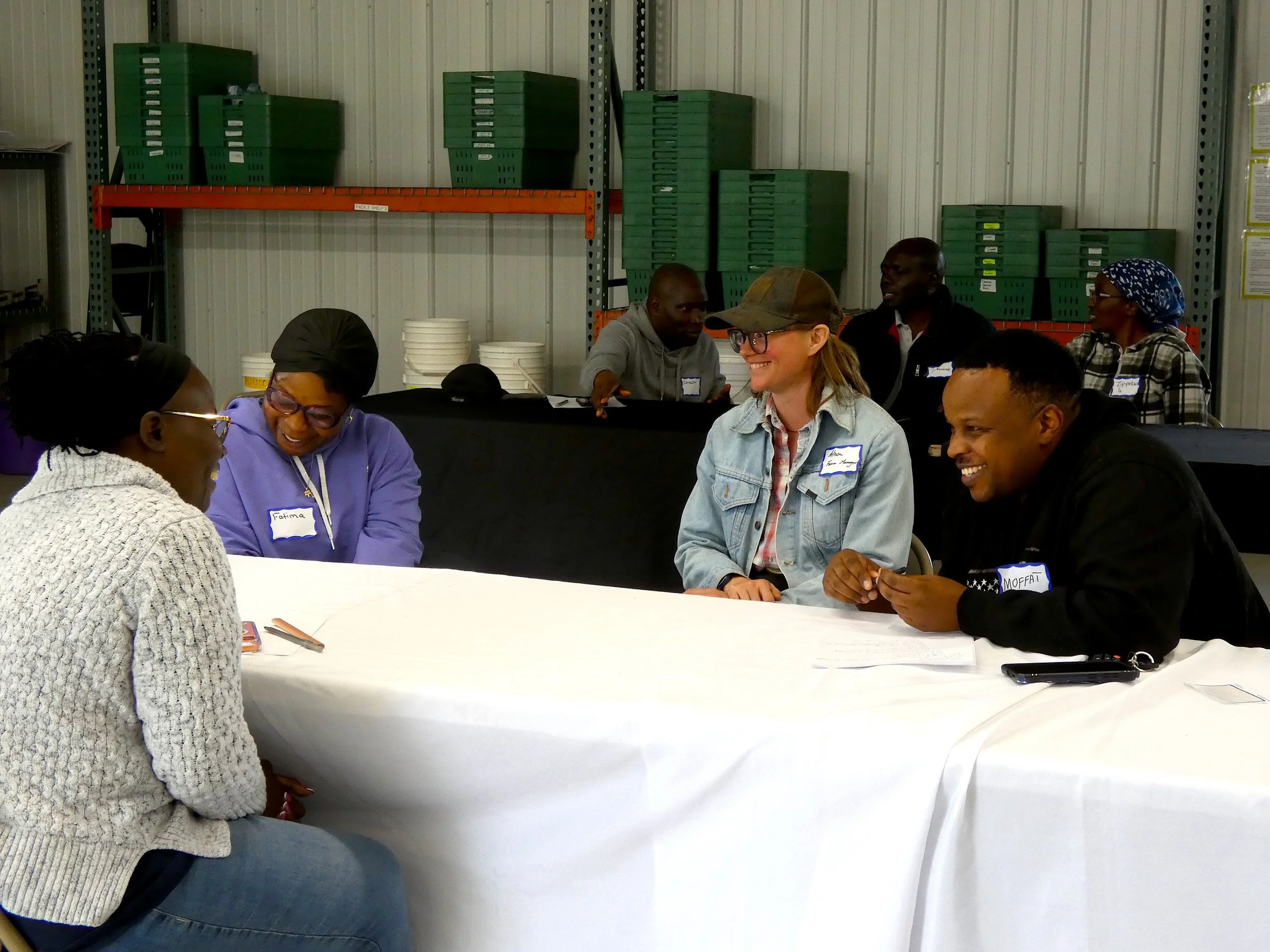
Our commons-based land access model is rooted in our commitment to link our farmer cohort with resources to grow their own farm businesses. Hands-on trainings by experts is key to preparing emerging farmers for success. This April, we hosted a training in collaboration with the University of Minnesota Extension and Marbleseed in order to provide a robust lesson-plan and interpretation services. A group of our farmers attended to learn about food safety protocols and market access pathways.
Navigating Food Safety as a Producer
Growing food is just one part of the picture for farmers trying to sell to the public. Food safety protocols have stringent regulations that farmers need to navigate from production to processing to packaging. The varied operations on our farm and cultural diversity of our cohort bring nuances that are best addressed in these in-person trainings with experts, visuals, and translators.
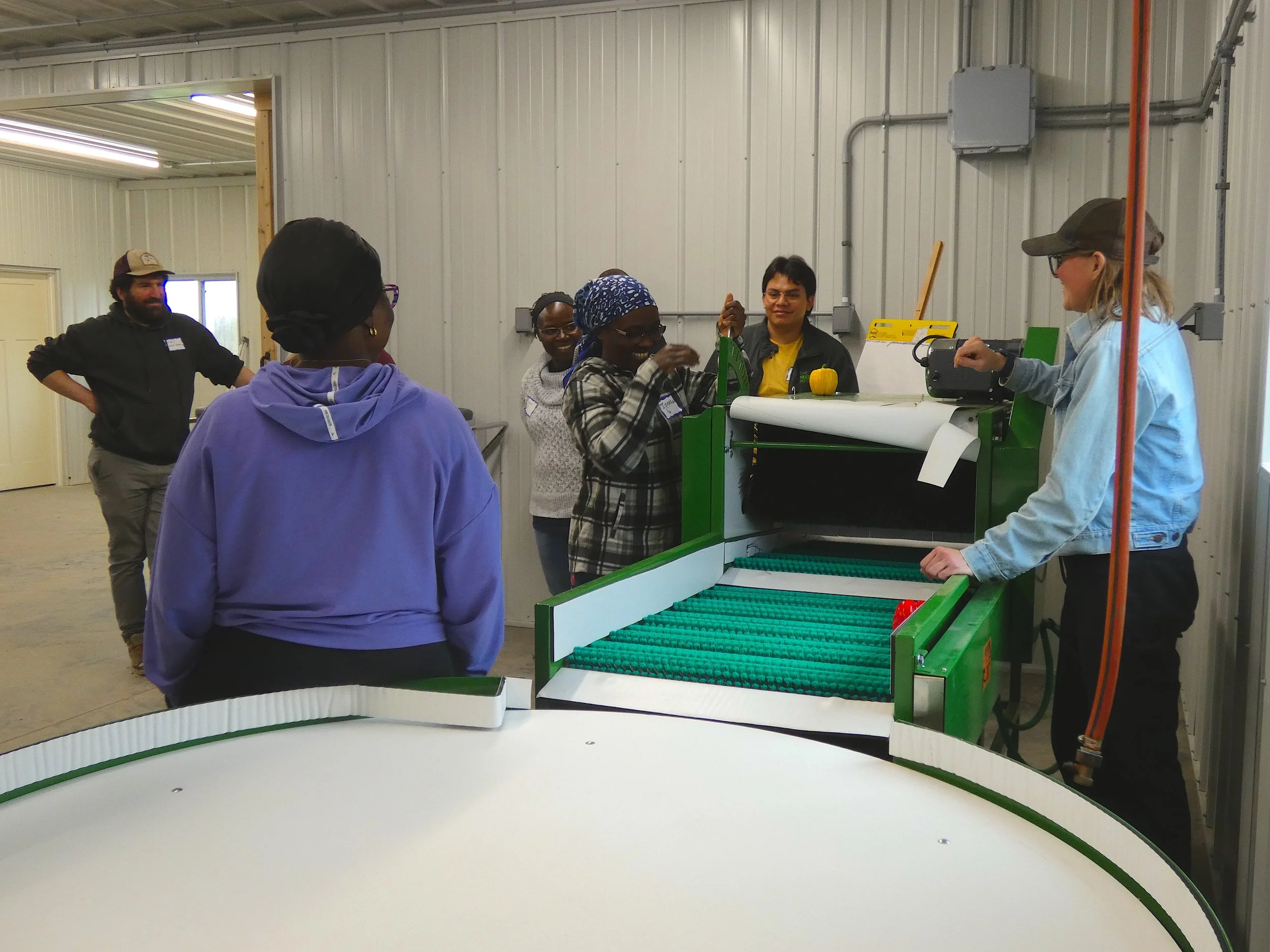
For emerging producers, we provide access to the infrastructure needed to wash, sort, and store food. Our packshed is designed as a food safe processing space for our cohort to use. After the initial food safety training, we walk every producer through our standard operating procedures and continue to monitor their performance. This provides the knowledge and feedback for our farmers to gain the food safety skills they need to have as a grower selling to the public.
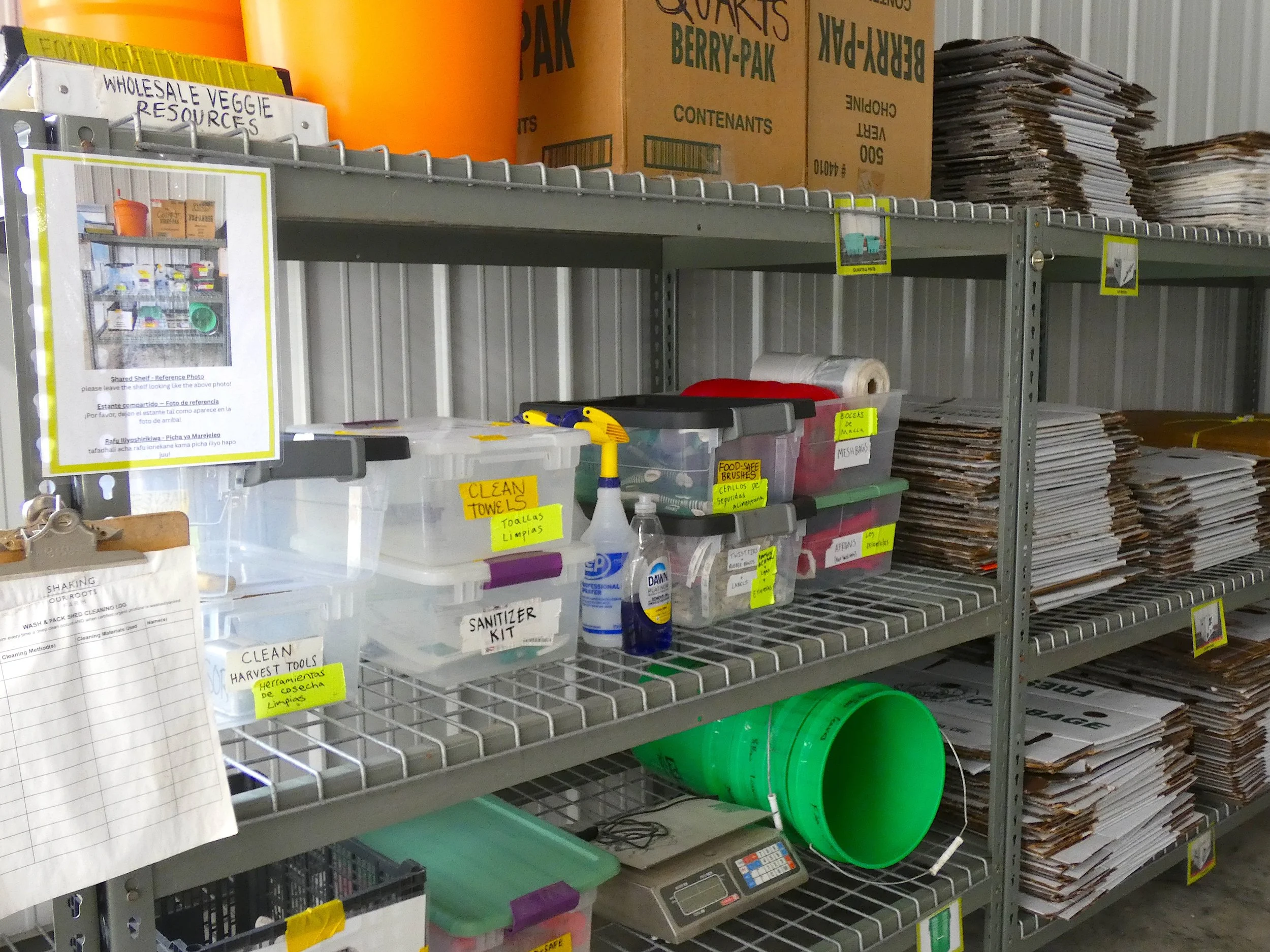
This training was a great opportunity to teach our farmers about the required documentation and standards according to Good Agricultural Practices (GAP) and the Food Safety Modernization Act (FSMA). When washing and storing produce, food safe practices vary. Our growers need to know what needs to be washed or wiped to ensure food does not rot and is free of contaminants. It is incredibly important to ensure that food does not carry pathogens that could harm consumers’ health.
Once produce is processed, there are specialized containers to store food and packaging that changes depending on the market. Given all these requirements (and even more not listed!), trainings are really crucial to ensuring food safe practices are fully understood and implemented.
Farm to Market as an Emerging Farmer
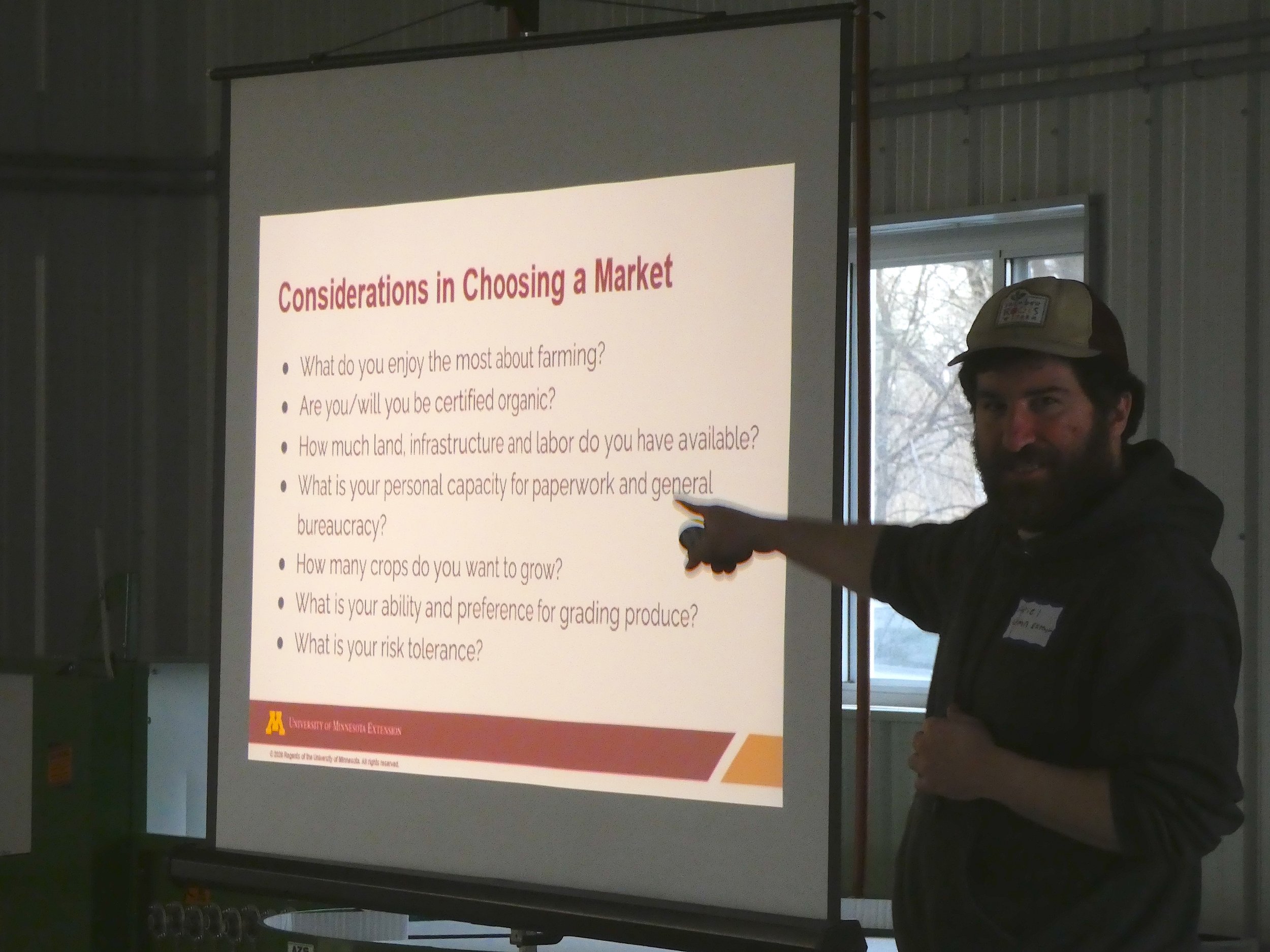
We also spent a significant portion of the training teaching our farmer cohort about different market pathways. We share our network and hand-off contact information to our cohort because accessing markets is really hard without longstanding relationships with buyers. We breakdown the different types of markets and help producers identify their values, capacity, and goals to guide their decision on what markets are the best fit for their business.
Farmers then practiced making pitches to different buyers like restaurants, co-ops, and grocery stores. This was a useful walk-through that helped our growers identify what market gaps they can fill and think through all the different aspects in selling to small- v. large- scale wholesale accounts.
In learning from established farmers that successfully sold to local markets, our growers are well-positioned to gauge what avenues will work best for them to grow their business.
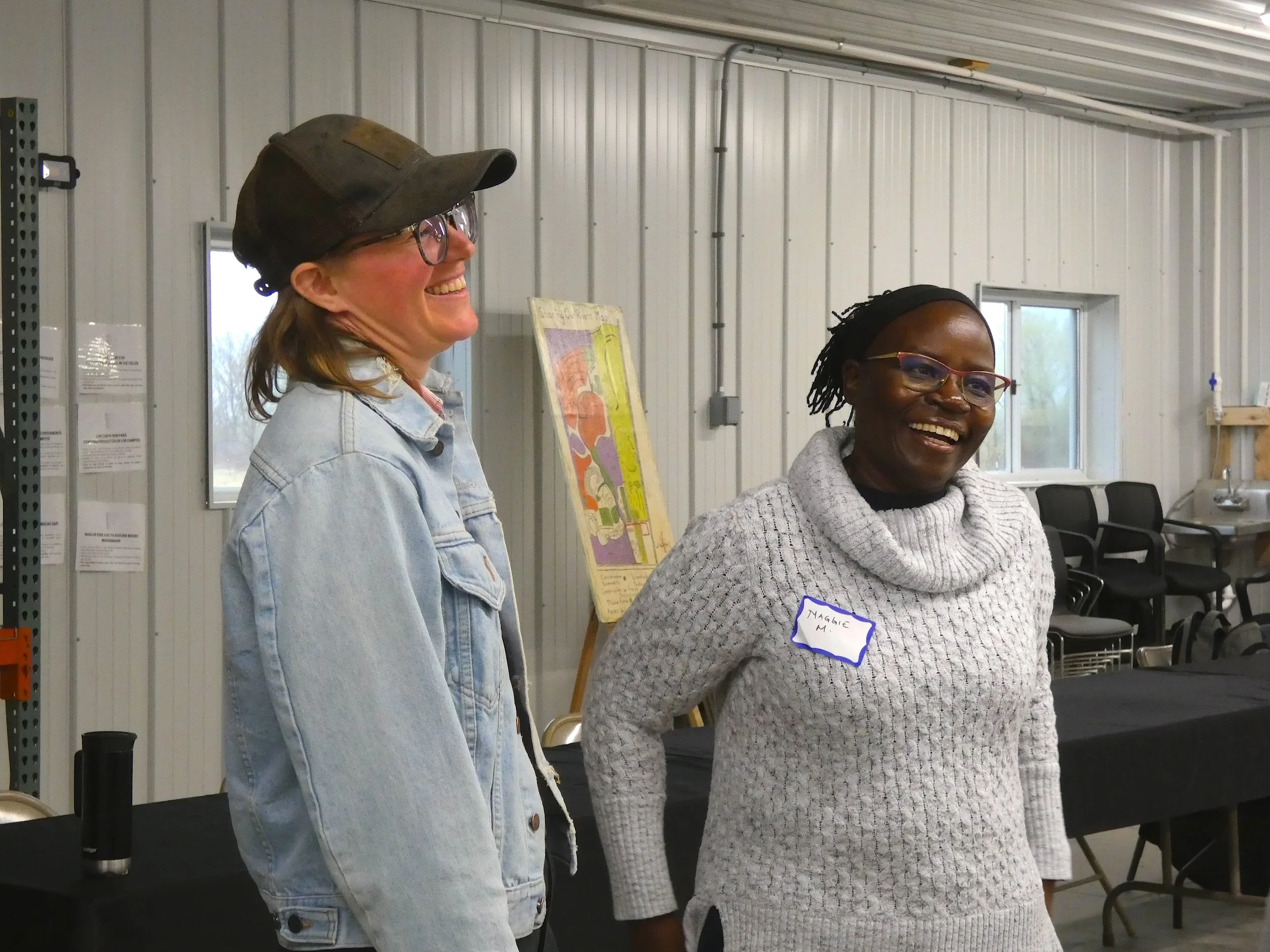
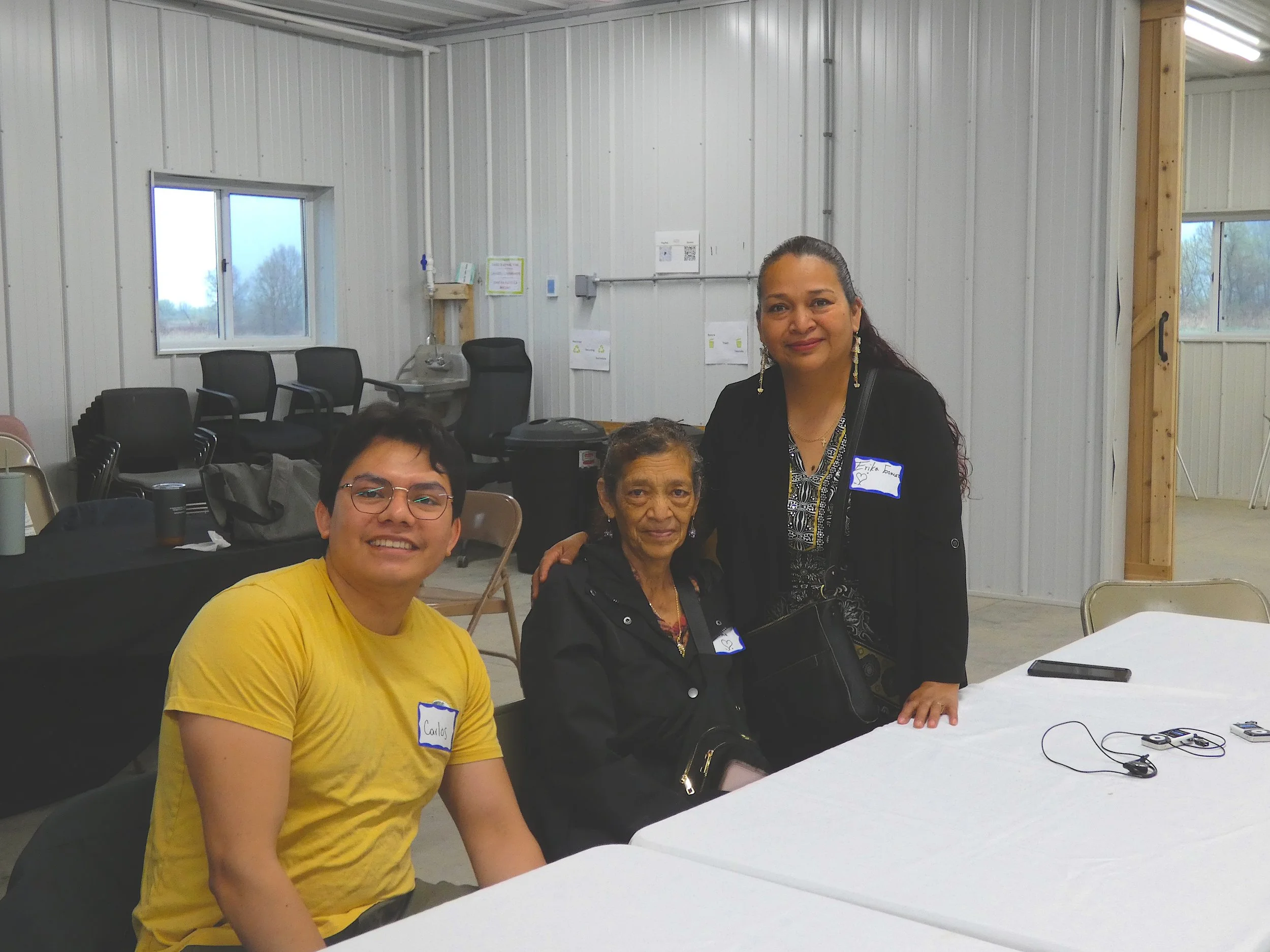
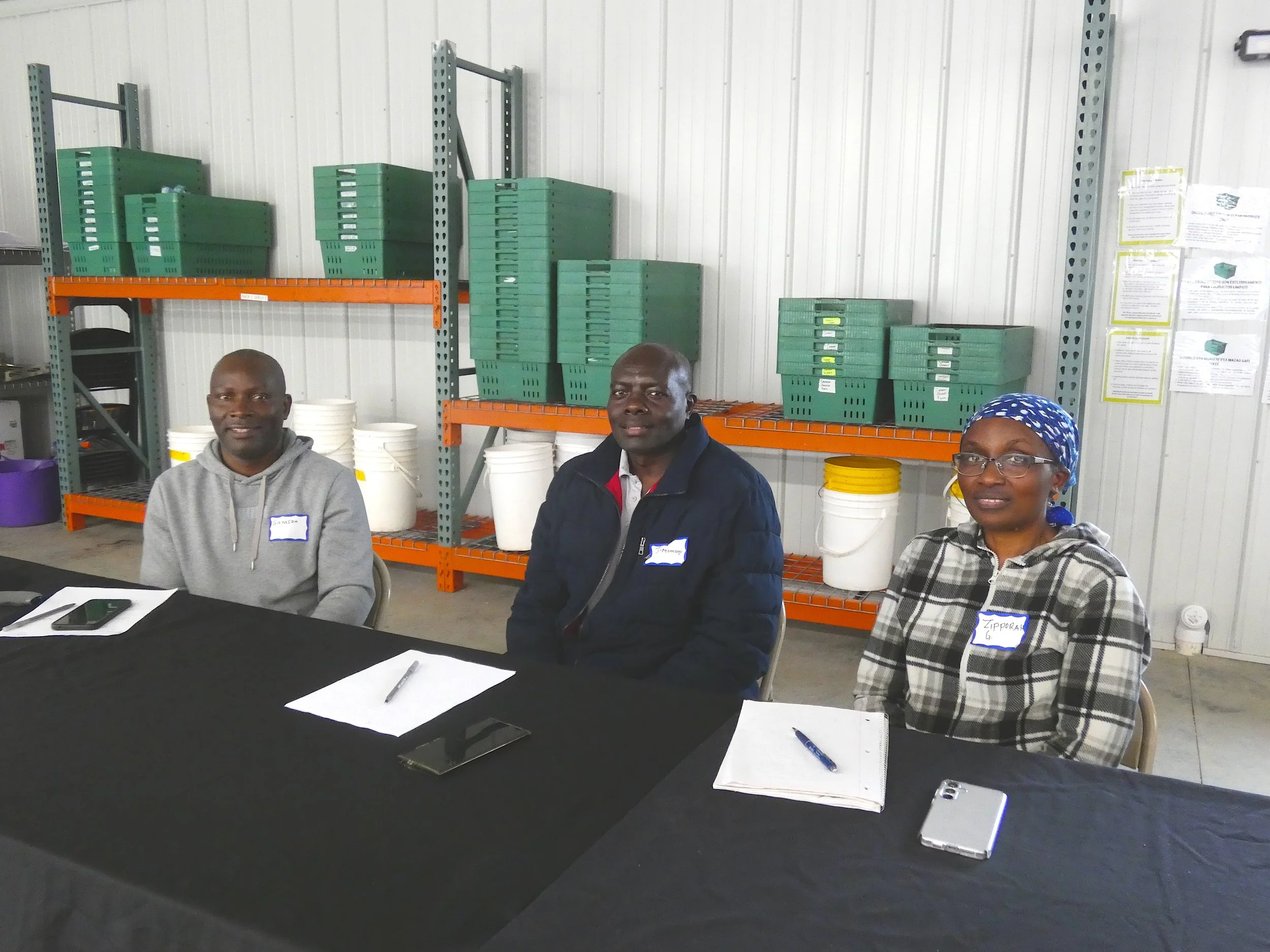
Sharing Our Roots always strives to share these teaching opportunities with emerging farmers. If you would like to attend a future training, please contact info@sharing-our-roots.org.
As a 501(c)(3) nonprofit, Sharing Our Roots relies on community donations to fund our work restoring land and providing immigrant, BIPOC, and LGBTQ+ farmers with essential support. If you are able and inspired, please join us in our work to heal our lands and prepare emerging farmers by contributing a one-time or recurring donation. Thank you!