What’s the deal with biochar?
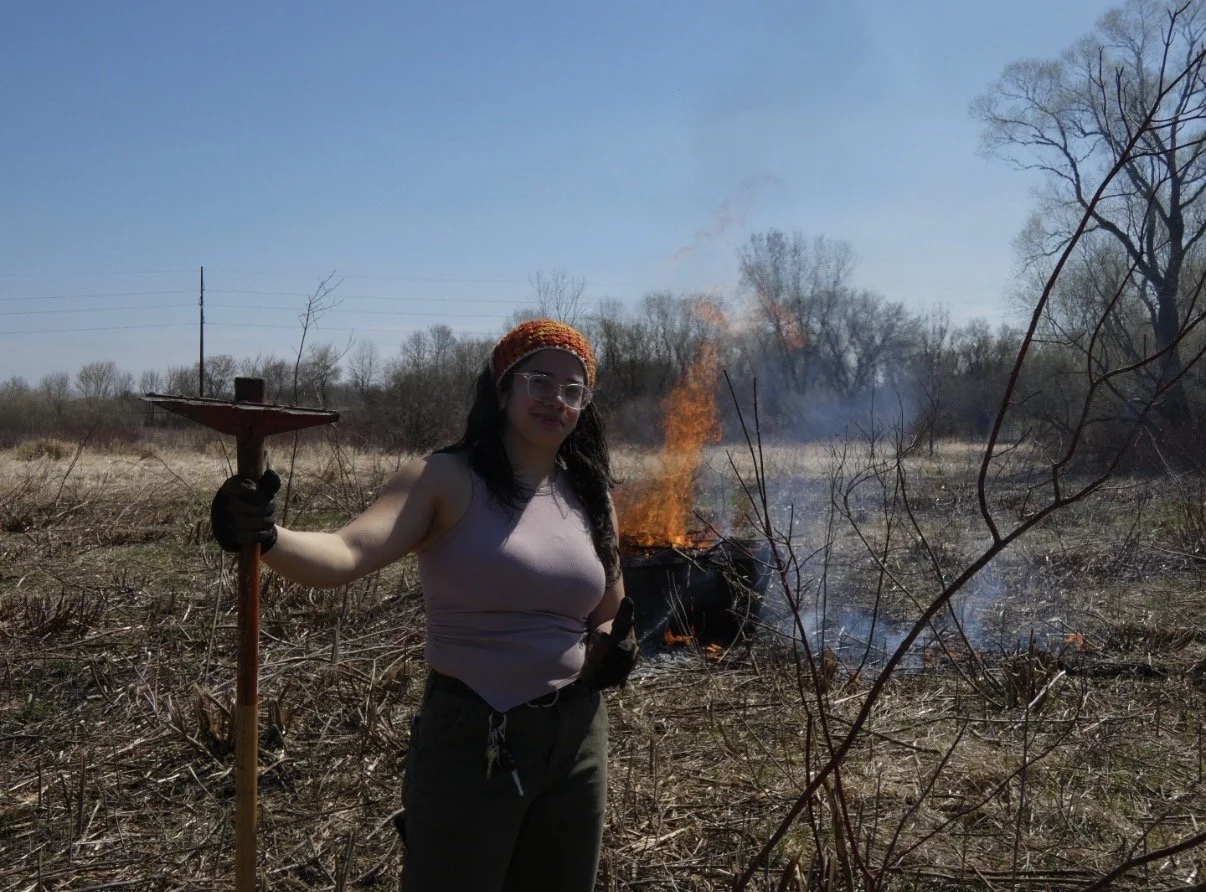
We believe in building resilient ecosystems and part of how we do that is through biochar production. Biochar is a valuable carbon-rich (50-90% carbon) charcoal that is made by burning organic material and mixing in fertilizer. There are profound environmental benefits that include restoring soil health and mitigating climate change. Our Natural Lands manager, Nic Nelson, is introducing this process on the farm and educating others on how to use this restorative technique; this day, we were joined by a crew of flame-tastic GreenCorps members!
Production Breakdown
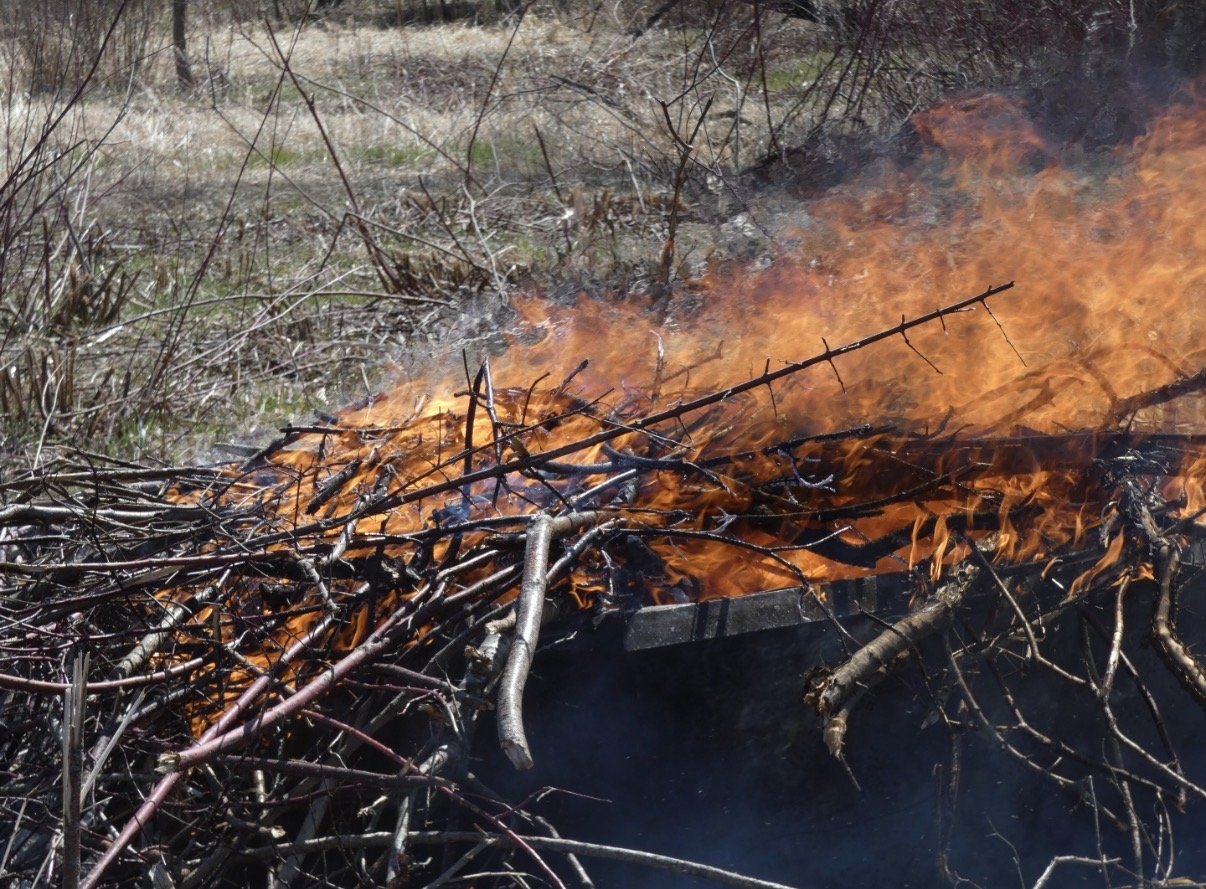
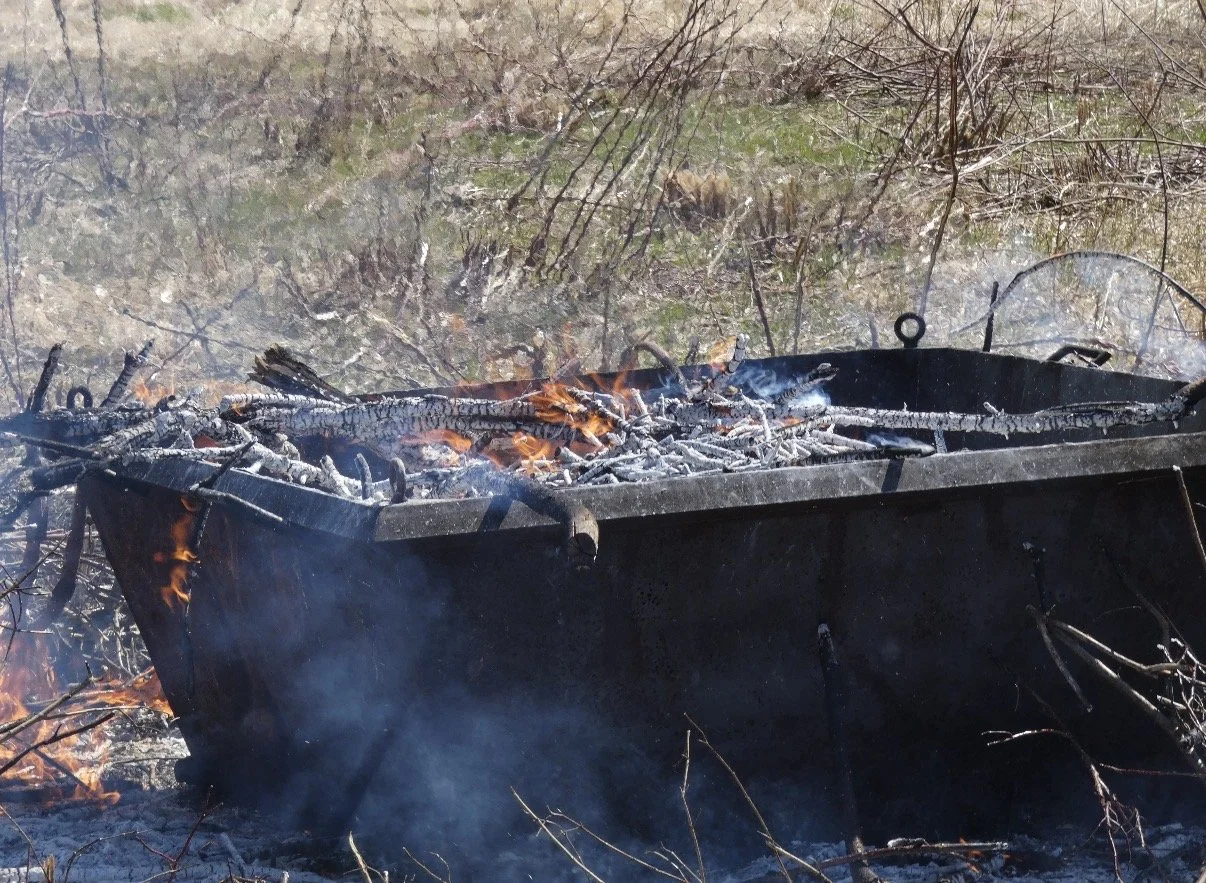
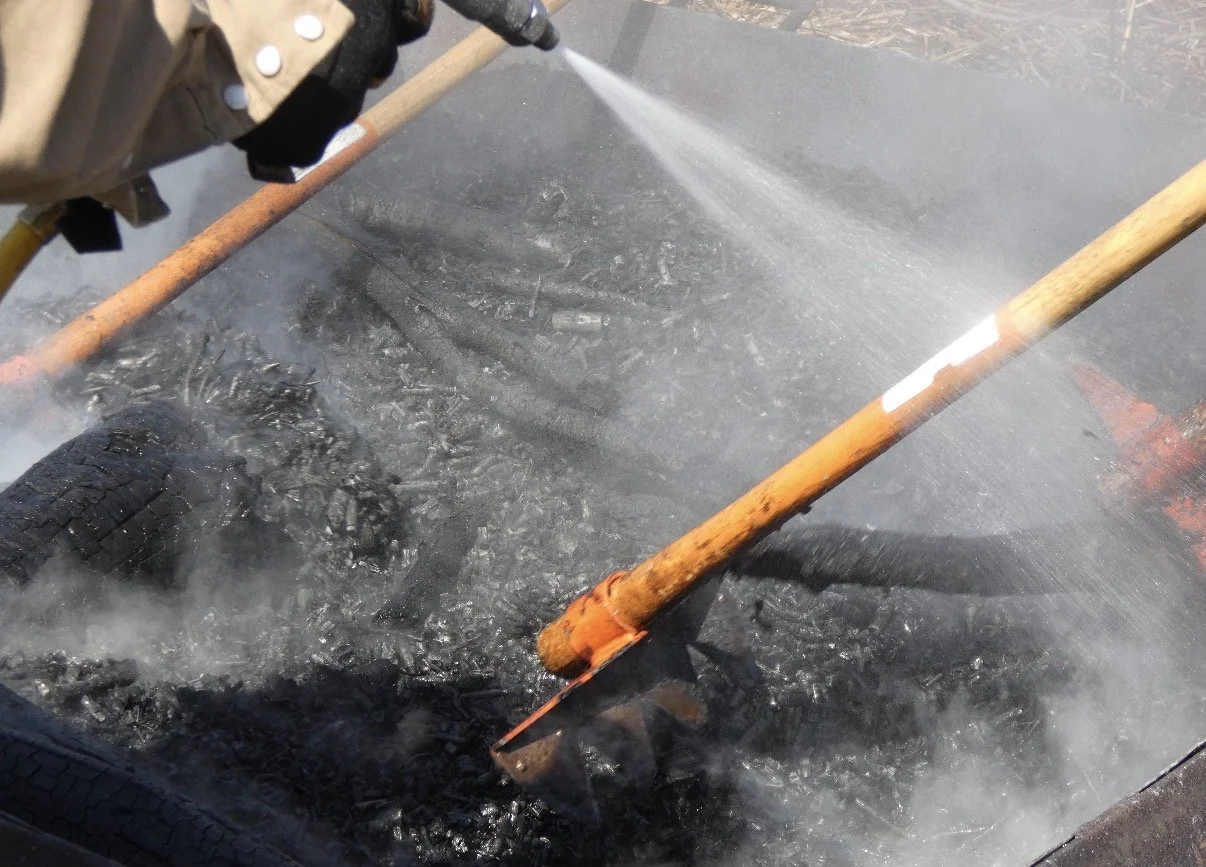
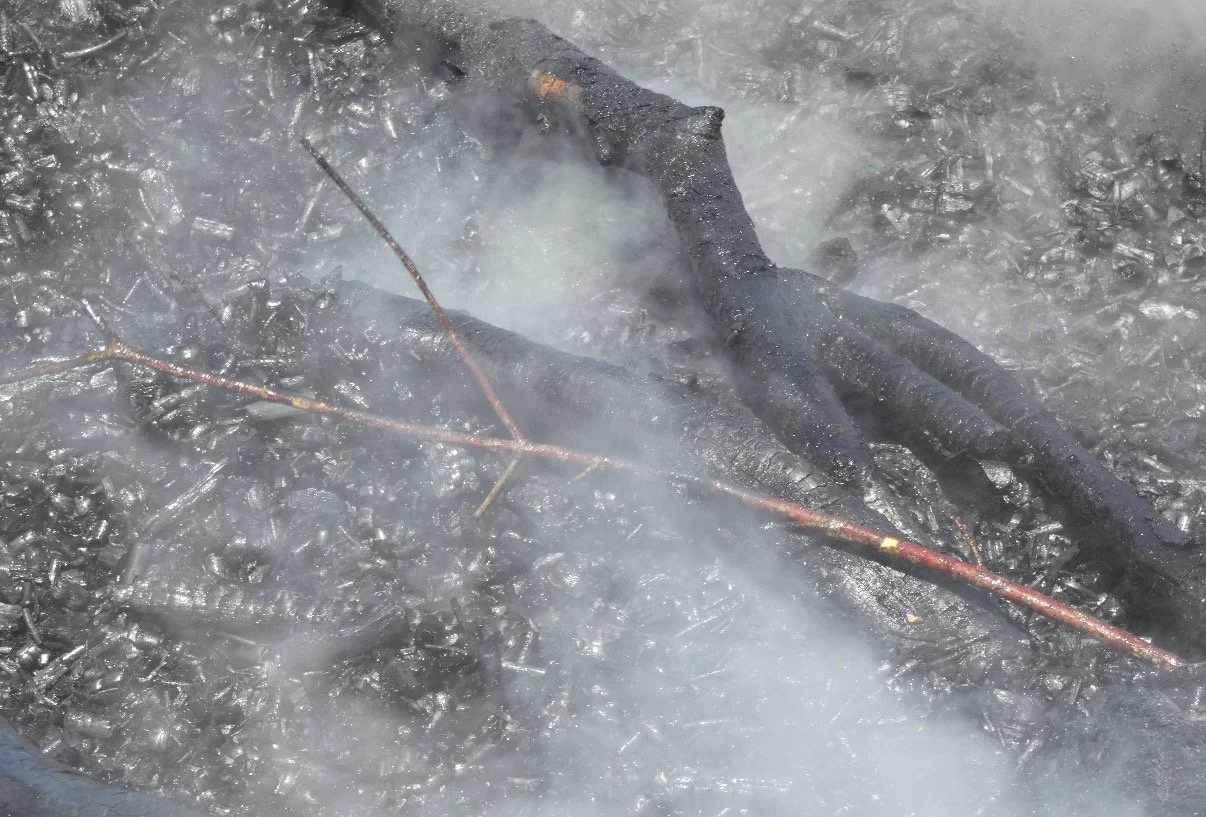
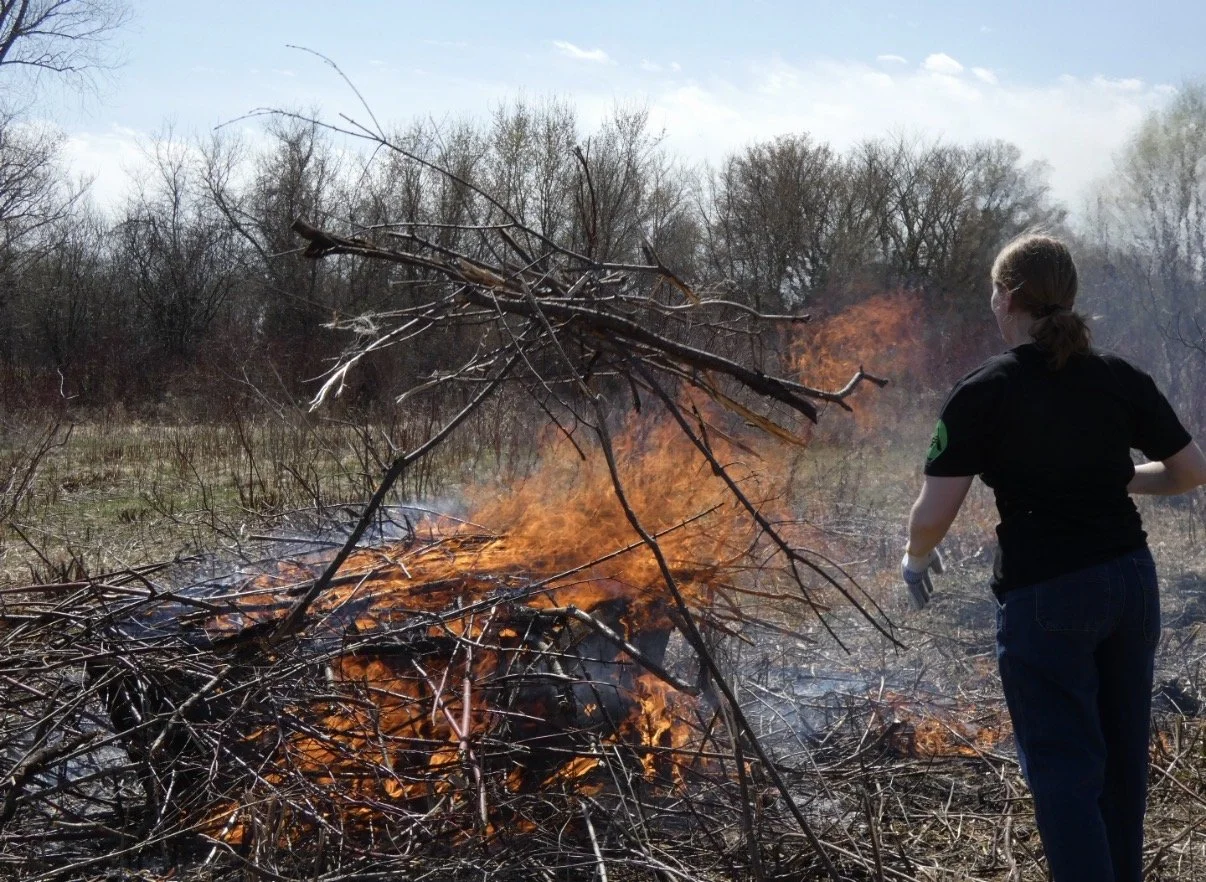
The first step to creating biochar is the collection and drying of biomass made from plant materials (wood, forest residues, agricultural residues) that are free from contaminants. Then, a low-oxygen burn is conducted. This is a regulated process called pyrolysis. Air curtain burners and flame-cap kilns are often used since they are designed to reduce smoke and particulate emissions. Otherwise, burn piles are an alternative method, intentionally constructed to minimize smoke and burn evenly. At the end, the charcoal is quenched and crushed, finally ready to use.
Impact on Agricultural & Natural Lands
Applying biochar to soil will sequester carbon, improve water storage, enhance porosity, increase nutrient retention, and reduce compaction. Prior to application, identify areas where soil function has degenerated due to a loss of organic matter; it is best to spread biochar on soils that are degraded, suffer wind and water erosion, or composed of coarse-textured clay.
Agricultural productions, from small nurseries to large fields, can benefit from biochar, especially when combined with manure or compost. The Forest Service Rocky Mountain Research Station found that crop yields increased by 10-42% when adding biochar.
Natural lands with compacted or degraded soils can also be improved with biochar. The Forest Service Rocky Mountain Research Station conducted a study that confirmed biochar additions reduce invasive species colonization while improving soil health by enhancing water holding capacity, native vegetation growth, and pollinator plant & insect populations.
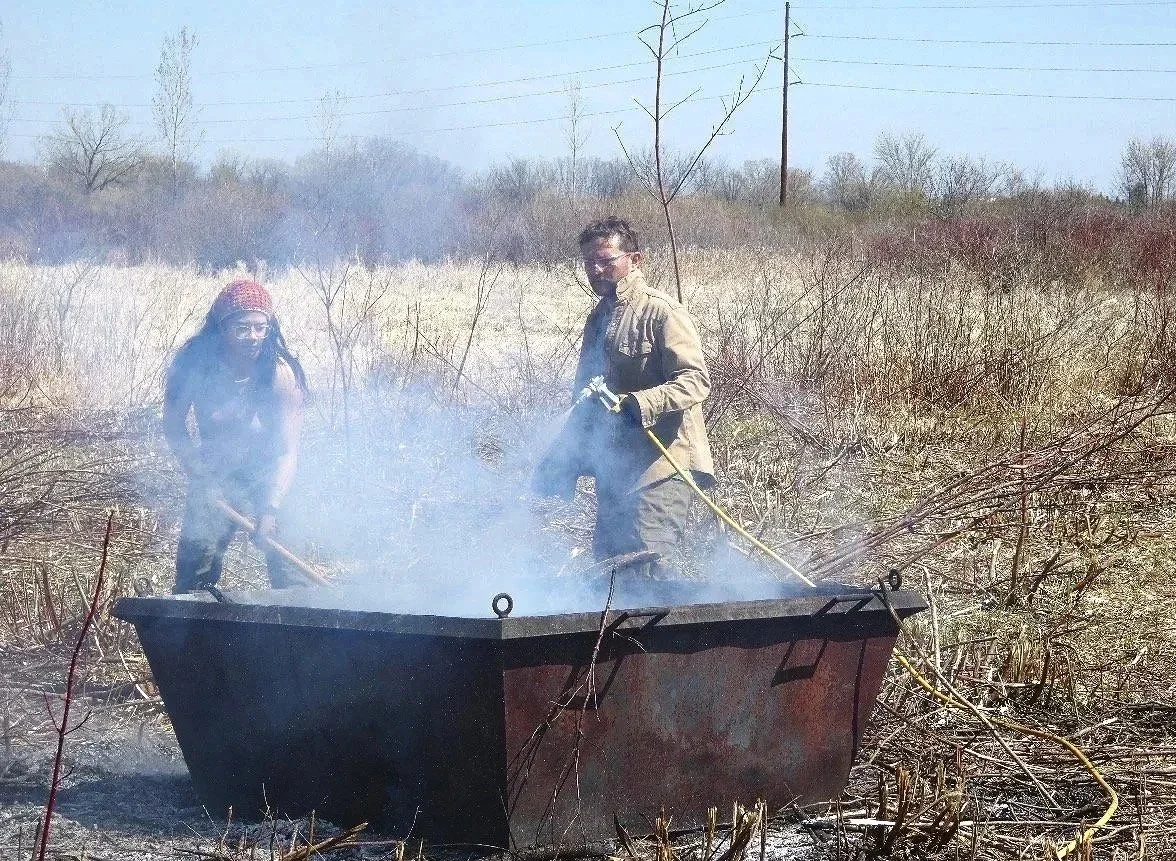
Agitating charcoal while cooling to thoroughly quench.
Value in Restoration
An often unrecognized benefit of biochar production is the removal and conversion of dead material. Overgrown and crowded soils are vulnerable to stress, disease, insect infestation, and wildfire. The collection of excess and residual biomass opens up more space, light, and air circulation across the land. Not to mention, the economic return of biochar triggering higher crop yields, improving productivity, and restoring soil health.
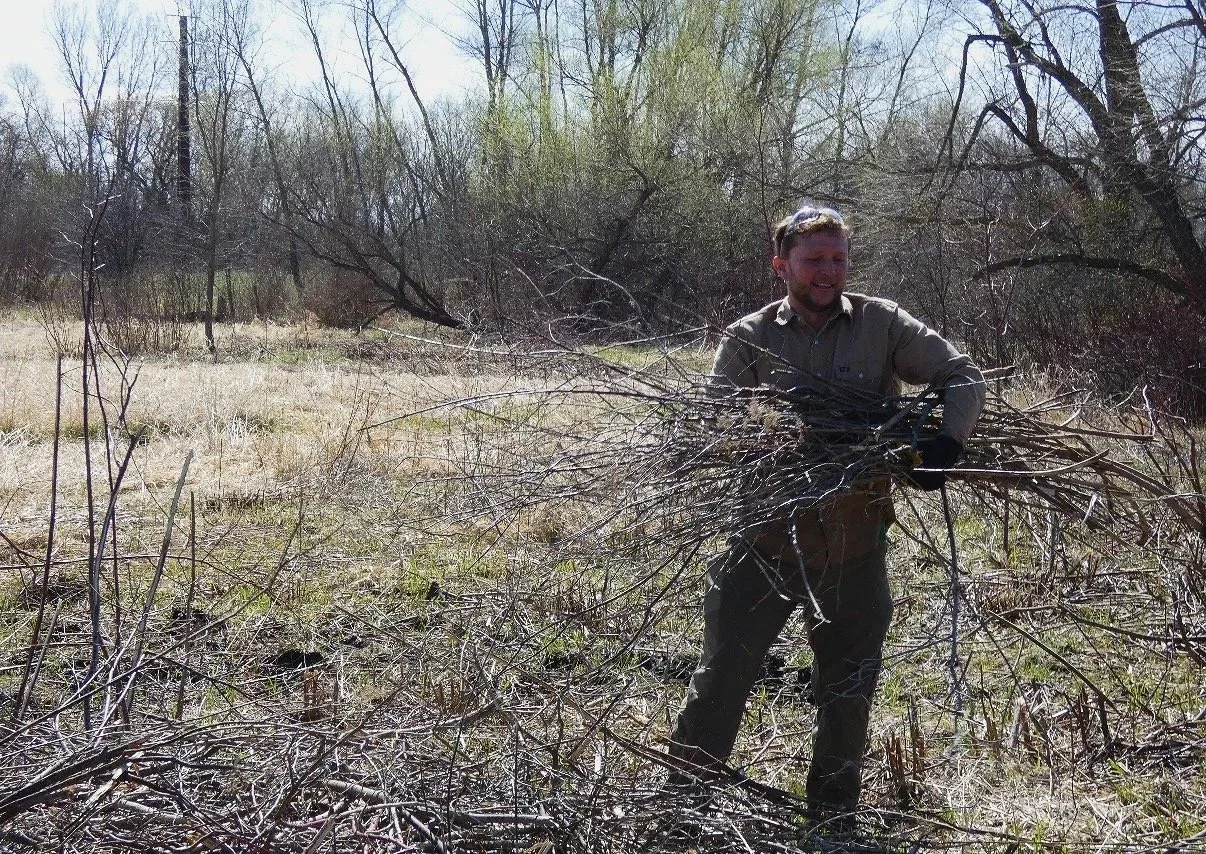
Nic collecting piles of biomass fit to turn into biochar
Biochar application is a valuable restorative technique in so many ways beyond improving soil quality and mitigating climate change (which are MAJORLY important). The added economic return and environmentally-essential stewardship are fundamental to the longevity of agricultural and natural lands.
If you are interested in attending a biochar demonstration, contact info@sharing-our-roots.org.
And a special thanks to our volunteers!
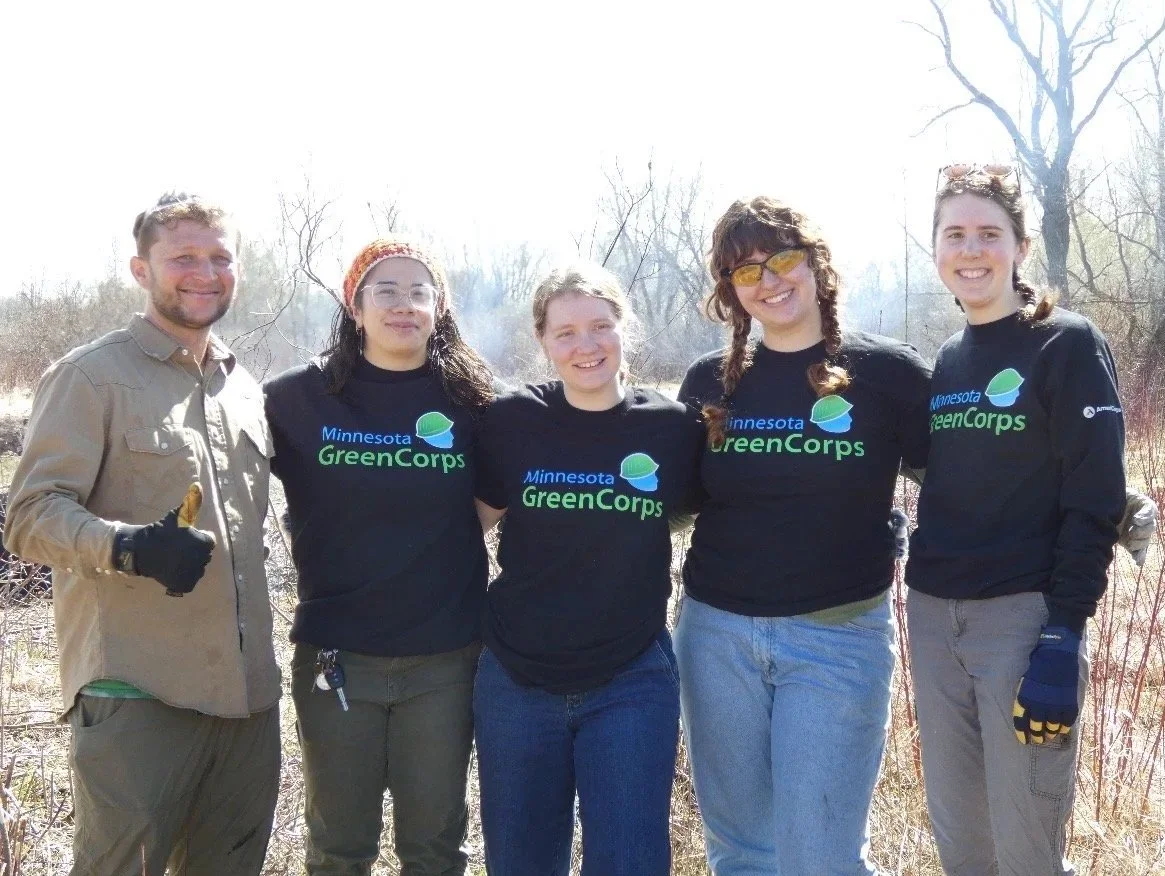
Natural Lands manager Nic (far left) and GreenCorps crew
As a 501(c)(3) nonprofit, Sharing Our Roots relies on community donations to fund our work restoring land and providing immigrant, BIPOC, and LGBTQ+ farmers with essential support. If you are able and inspired, please join us in our work to heal our lands and prepare emerging farmers by contributing a one-time or recurring donation. Thank you!
Sources
“Making and Using Biochar – Tending the Land.” Tendingtheland.org, 2024, tendingtheland.org/do-the-work/managing-woody-materials/making-and-using-biochar/.
“Biochar Basics: An A-To-Z Guide to Biochar Production, Use, and Benefits a Little Background.” 2022, Forest Service Rocky Mountain Research Station, https://www.fs.usda.gov/rm/pubs_journals/rmrs/sycu/2022/sycu_54_2022_05_biochar_basics.pdf