Sustaining Resiliency: Healing Community After Crisis
I joined Sharing Our Roots in September 2025, and while that wasn’t long ago by any measure of time, my experience here has felt both fast-paced and deeply formative. From the moment I arrived, I hit the ground running– coordinating community outreach and planning an end of year celebration. At that gathering, more than 100 farmers, staff, board members, supporters, and neighbors came together to share stories, reflect on the growing season, and enjoy a homemade potluck featuring food grown by our farmers. The meal showcased the rich diversity of our community, with culturally meaningful dishes ranging from tamales to asida to mandazi. As we reflected on the year and imagined what lay ahead, I found myself awestruck by the sense of belonging and shared purpose that characterizes Sharing Our Roots. It was an inspiring introduction to an organization not only rooted in agriculture, but also in connection, opportunity, and collective growth.
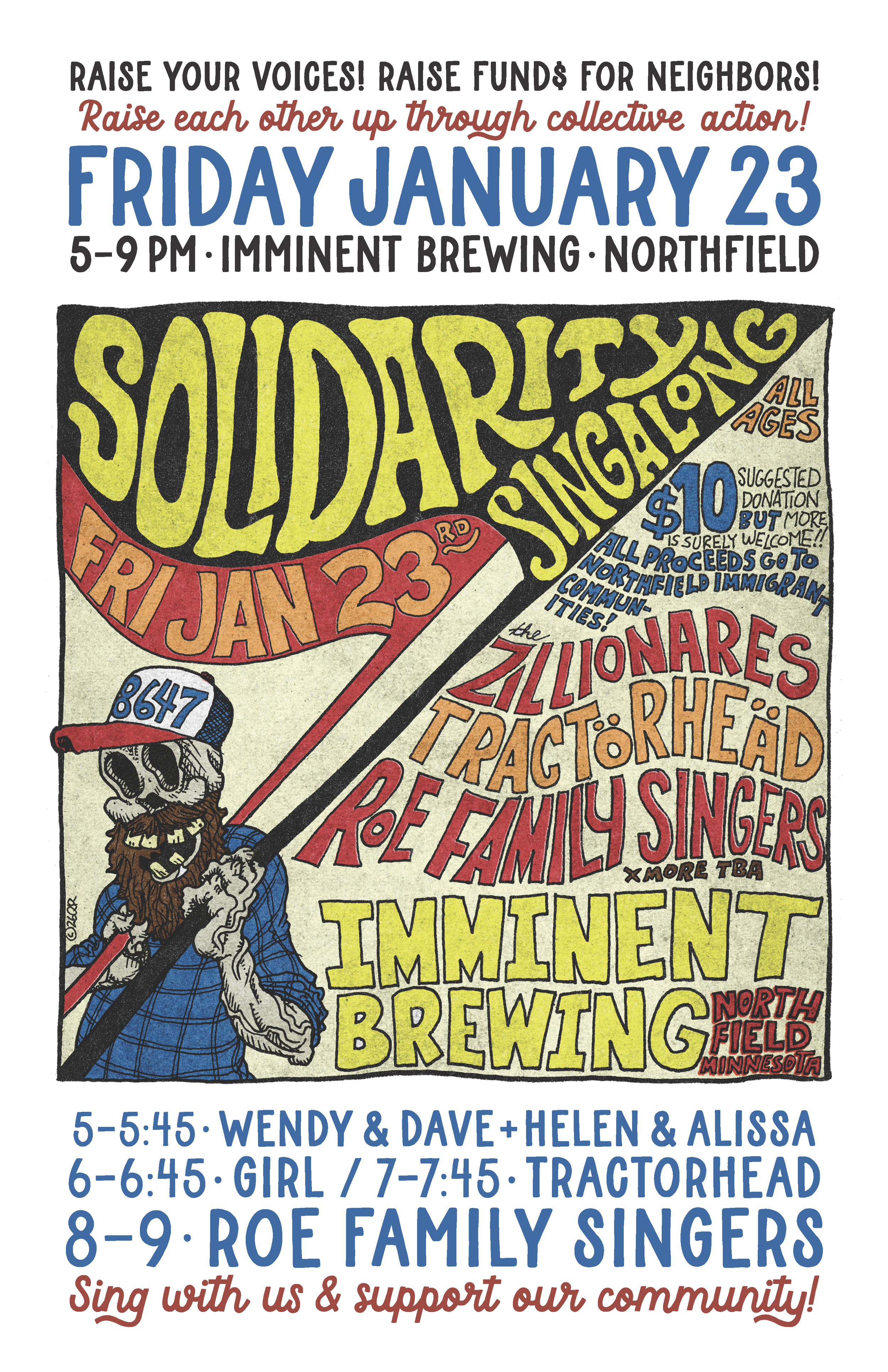
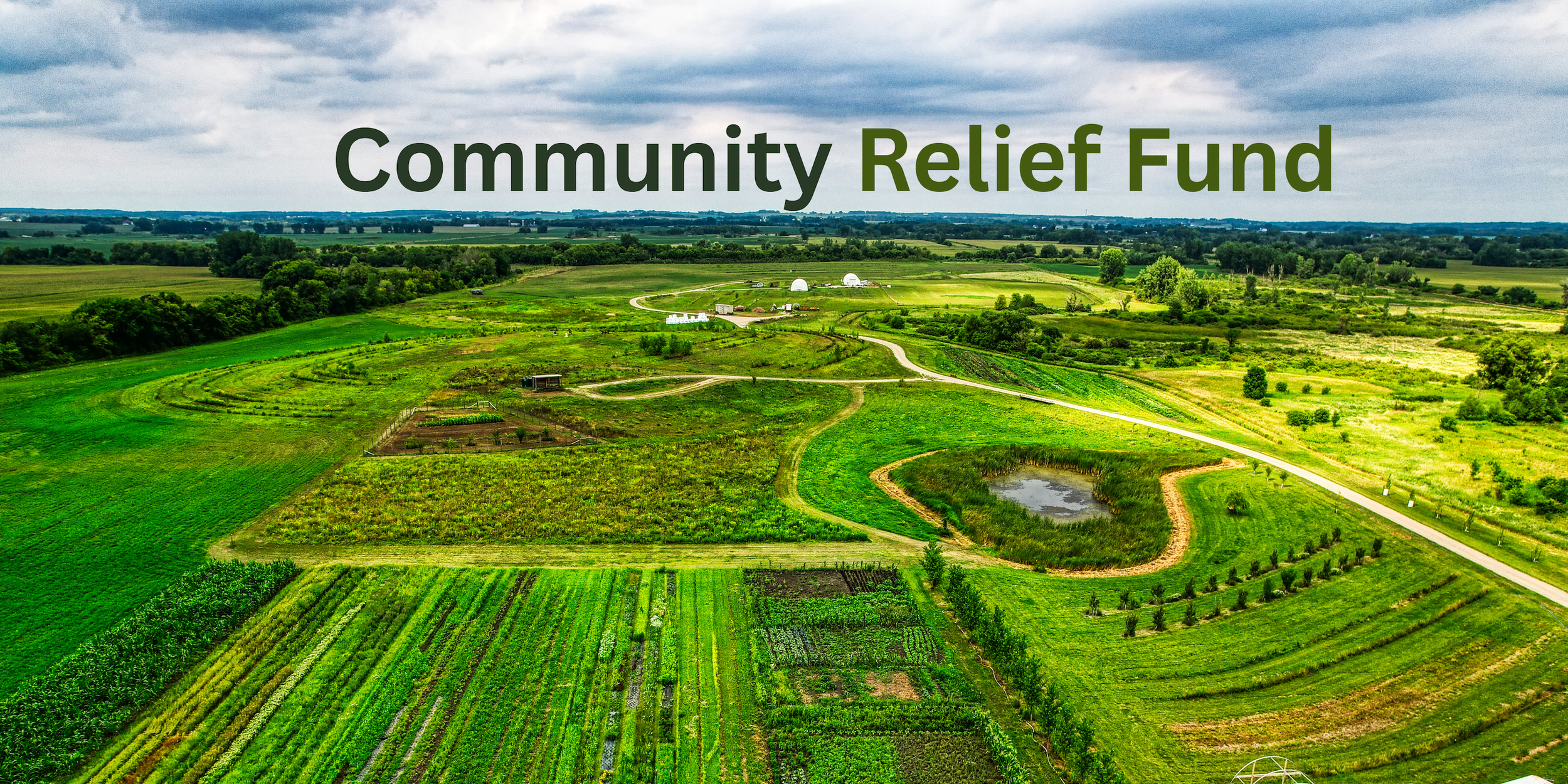

It was such a joyful culmination to the year. And then 2026 brought pain, shock, and complete outrage. Operation Metro Surge disrupted months of work. Our community was scared and we did everything we could to mitigate the stress. Between establishing our mutual aid fund to hosting solidarity singalongs to coordinating outreach, Sharing Our Roots pivoted to meet the local need. How could we nourish our community if people were too scared to leave their houses? How could we heal our lands when the people that steward them are being unlawfully taken into detention?
There is no Sharing Our Roots without our farmers and gardeners; and the families, friends and neighbors they nourish every day. And in a blink of an eye they had become targets. Families were broken apart, businesses closed, and children were sheltered from public spaces. Protestors were tormented and citizens were killed. We mourned the deaths of Nicole Good and Alex Pretti. Life was turned upside down– our community was, and still is, traumatized.
As immigration officers flooded into our state with the intent to cause terror, we fought back with unprecedented solidarity, strategy, and outrage. We witnessed large-scale neighborhood mobilization. Individuals took responsibility to learn how to be upstanders, legal witnesses, and social justice activists to protect our community. Rapid response networks came together to deliver aid, legal help, and resources. At Sharing Our Roots, we disbursed over $90,000 to at-risk individuals and families in need of support.
After months of mutual aid coordination, rapid response mobilization, and community organizing the surge slowed. As winter became spring, the operation began to withdraw just as new buds began to blossom. But life did not return to normal. The beautiful transition into renewed life had been overshadowed by this complete crisis. We were still reeling from such horrific trespasses on our rights, safety, and community.
So, where did that anger go? It is summer now and our streets are alive again. People returned to work and regular life resumed for a lot of folks. But for many of us, we are still carrying the pain of the violence and displacement unleashed in our state. The residual terror of such injustice is not easily shaken. And consequently, the state-sanctified discrimination and racism polarized rural spaces in profound ways. At Sharing Our Roots, we are still reckoning with those ripple effects.
We need systems change. We need to continue to stand up in solidarity with our immigrant neighbors and be persistent that we will not be a part of a world that discriminates against people because of their nationality, skin color, or documentation. Catalyzed from a conversation with the Land Stewardship Project and leaders of rapid response networks about where we go from here, we decided to start organizing rural farm dinners. An invitation to continue dialogue. With an uncertain future, we need to develop sustainable response networks that can meet the needs of our community in crisis without overtaxing the people on the frontlines. We need to organize for policy advocacy and uplift BIPOC, immigrant, and refugee voices. We need to leverage our connections to legislators for the good of everyone in our community. We know we are all stronger together, but preparing for unforeseen crises requires building relationships with intentional pathways for communication, reflection, and support while making room for those affected most to share their perspective and vision for the future. And as allies, we need to listen and facilitate those systems of support.
Starting in the next couple months, People’s Farm Dinners will be hosted all around Minnesota. Direct invitations to organizers of mutual aid efforts and immigrant farmers will call for a gathering to reckon with this trauma and navigate the next steps forward together. The emotional distress, erosion of trust, and ongoing social unrest are not going to be solved over one dinner, but it is a first step towards healing.
Resiliency is cultivated over time, much like community. In moments of crisis, challenges become far more manageable when you are supported by a network grounded in collective care and well-being. From the moment I joined Sharing Our Roots, I was immersed in work that sits at the intersection of urgent crisis and meaningful impact. I am endlessly grateful to be part of a team that cares so deeply about justice, equity, and the people we serve.
If you are looking for a way to strengthen community power and contribute to lasting systems change, I invite you to join Sharing Our Roots as a volunteer, supporter, donor, or board member. We will welcome you with open arms, and together we will heal.
As a 501(c)(3) nonprofit, Sharing Our Roots relies on community donations to fund our work restoring land and providing immigrant, BIPOC, and LGBTQ+ farmers with essential support. If you are able and inspired, please join us in our work to heal our lands and prepare emerging farmers by contributing a one-time or recurring donation. Thank you!